FSAE Wheel Centers
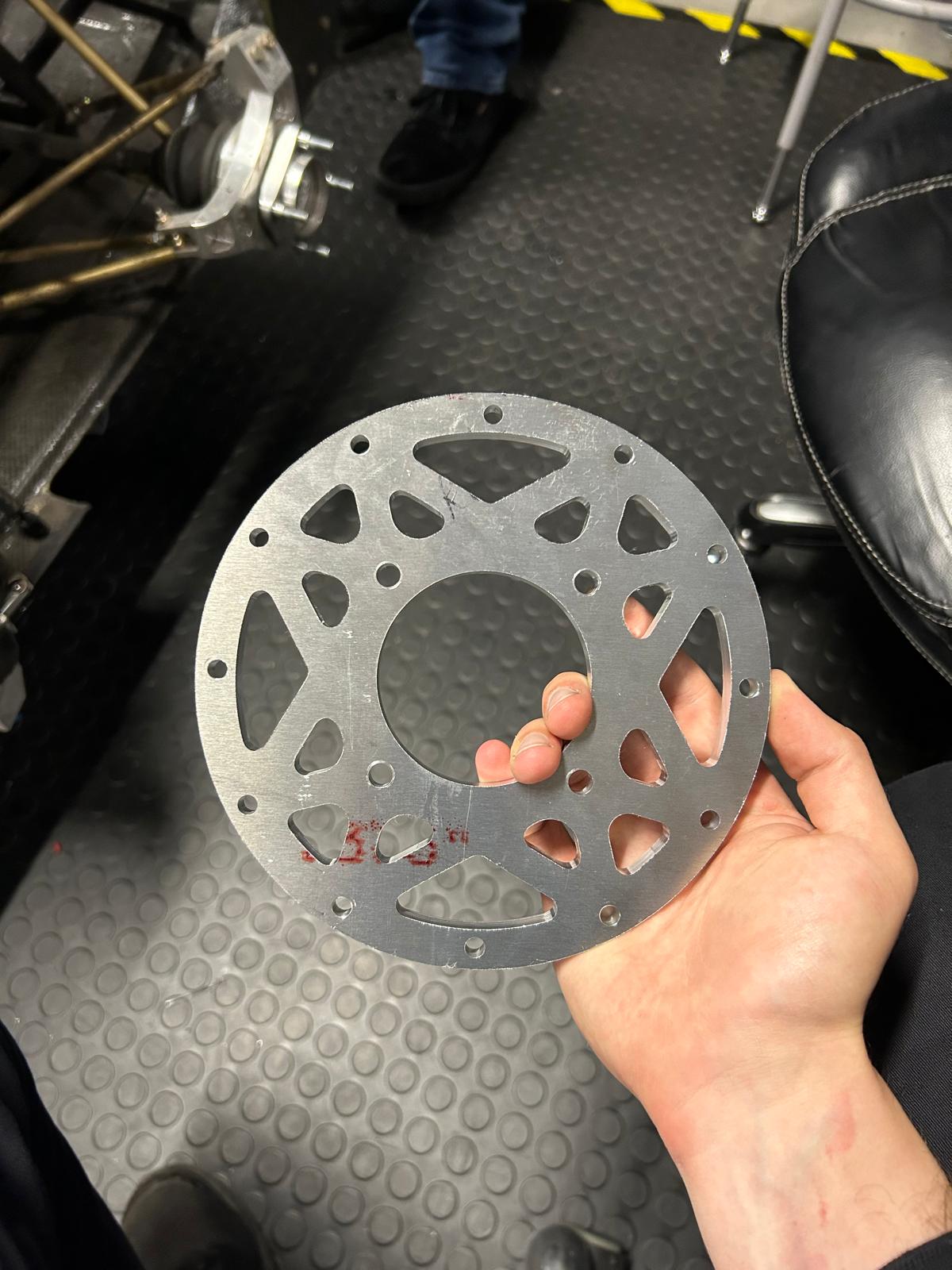
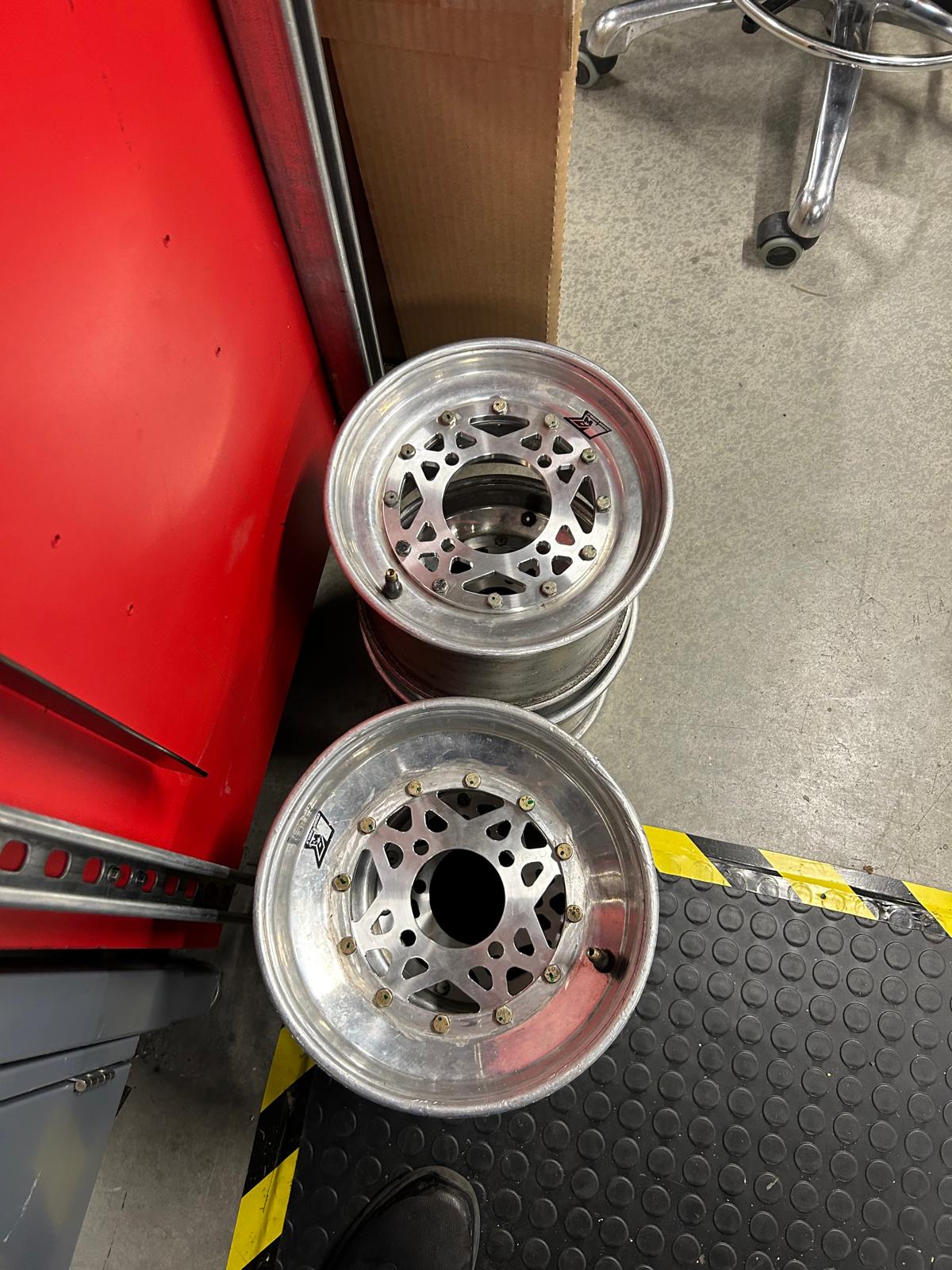
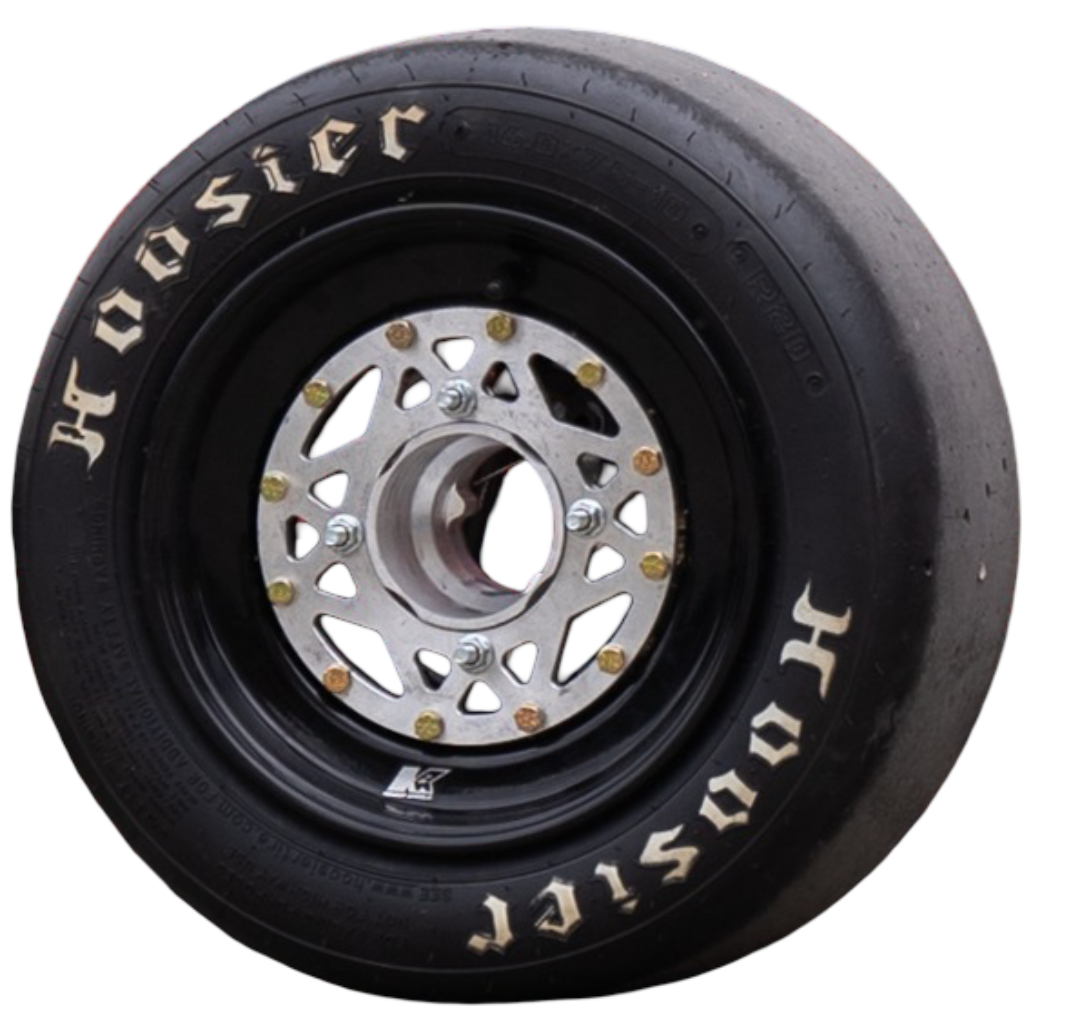
This project focused on the redesign of the Formula SAE wheel centers with the objective of reducing unsprung mass while maintaining durability under fatigue loading. The components were fully redesigned, analyzed, and validated through simulation before release for manufacturing.
Objectives
- Reduce wheel center mass relative to the previous design
- Maintain stresses below the fatigue endurance limit
- Ensure CNC manufacturability and practical tolerancing
Design & Weight Optimization
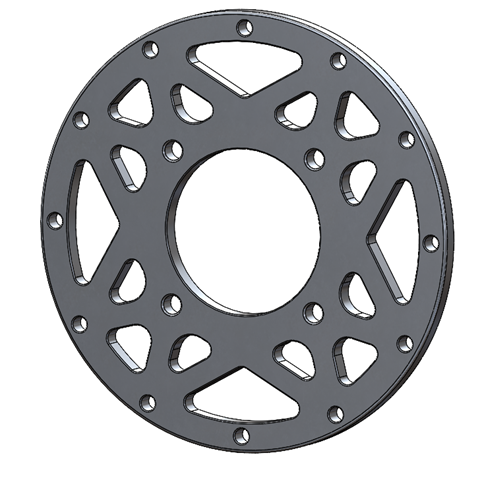
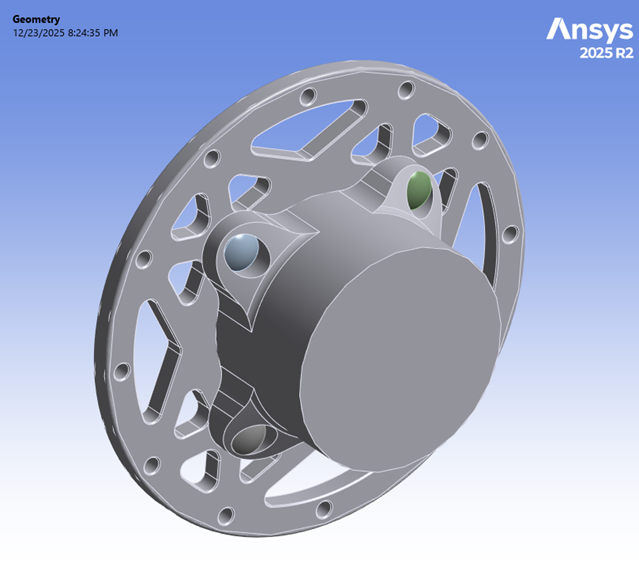
The wheel centers were modeled in SolidWorks and iteratively refined to remove non-load-bearing material while preserving stiffness in critical load paths. Geometry changes were driven directly by simulation results rather than aesthetic constraints.
- Front wheel center mass reduced by 24%
- Rear wheel center mass reduced by 29%
- Material removal focused on low-stress regions identified through FEA
Finite Element Analysis
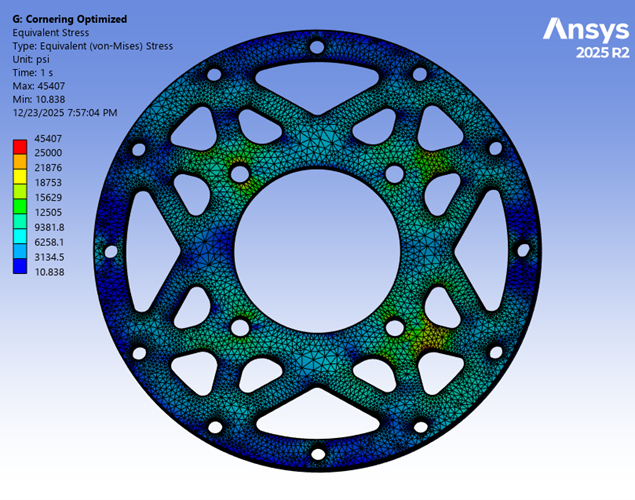
Structural analysis was performed in ANSYS Mechanical to evaluate stress distribution under representative loading conditions. The design was optimized to ensure that peak stresses remained below the material fatigue limit with appropriate safety margin.
- Static stress evaluation used to guide geometry refinement
- Stress concentrations identified and reduced through fillet and profile changes
- Final design validated against fatigue-related stress thresholds
Design for Manufacturing
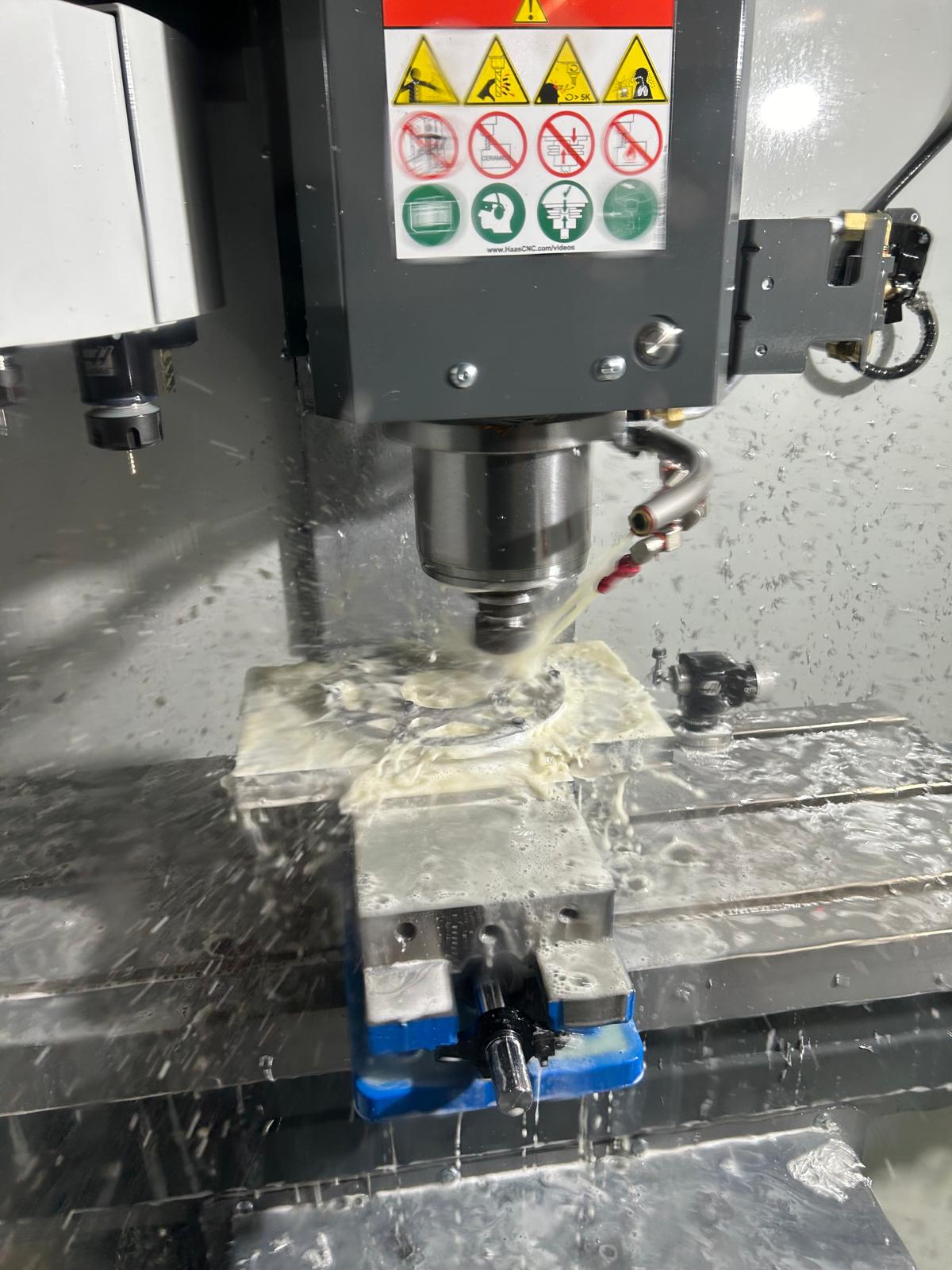
The final design was developed with CNC manufacturability in mind. Features were constrained to realistic tooling access, fillet radii, and machining setups to ensure the part could be produced without excessive cost or complexity.
- Tool access and minimum internal radii considered during design
- Uniform wall thickness prioritized where possible
- Tolerances defined to balance performance and manufacturability
Additional Images